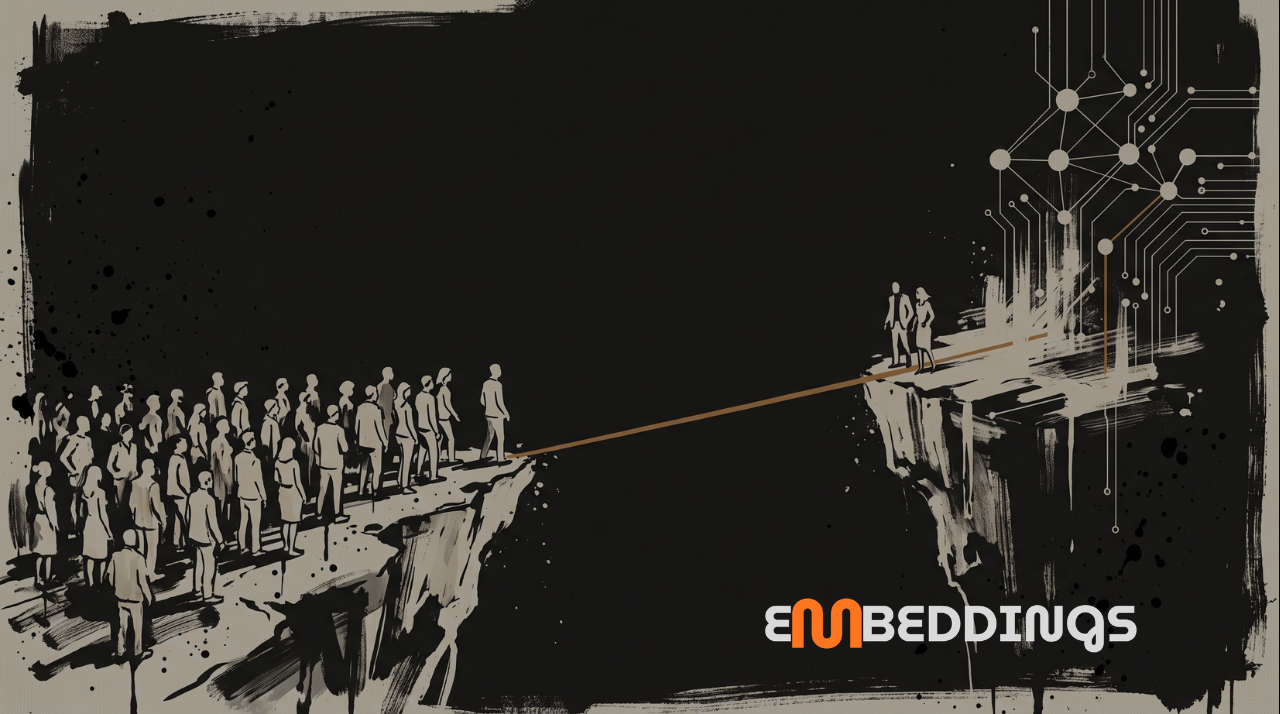
Everyone has been asking whether AI is bigger than the internet or smaller. Bain has now put the first real estimate against it: $4.7 trillion of corporate profit in play over ten years, against $1.4 trillion that the internet moved over twenty.
The bet was that AI would grow into a traffic source, the way search did. It is going the other way: the gap between what it takes and what it returns widened by half in a single quarter.
The bet was that AI would grow into a traffic source, the way search did. It is going the other way: the gap between what it takes and what it returns widened by half in a single quarter.
The bet was that AI would grow into a traffic source, the way search did. It is going the other way: the gap between what it takes and what it returns widened by half in a single quarter.
The bet was that AI would grow into a traffic source, the way search did. It is going the other way: the gap between what it takes and what it returns widened by half in a single quarter.
That gap is your edge, and Washington is fighting over whether you keep it. Plus: EY's token bill, EU labels, LinkedIn's slop button.
That gap is your edge, and Washington is fighting over whether you keep it. Plus: EY's token bill, EU labels, LinkedIn's slop button.
Three arguments run under the AI boom, and last week all three surfaced at once. None is about which model is smartest.
AI is the fastest-growing market on earth, which is exactly why most companies will lose money on it.